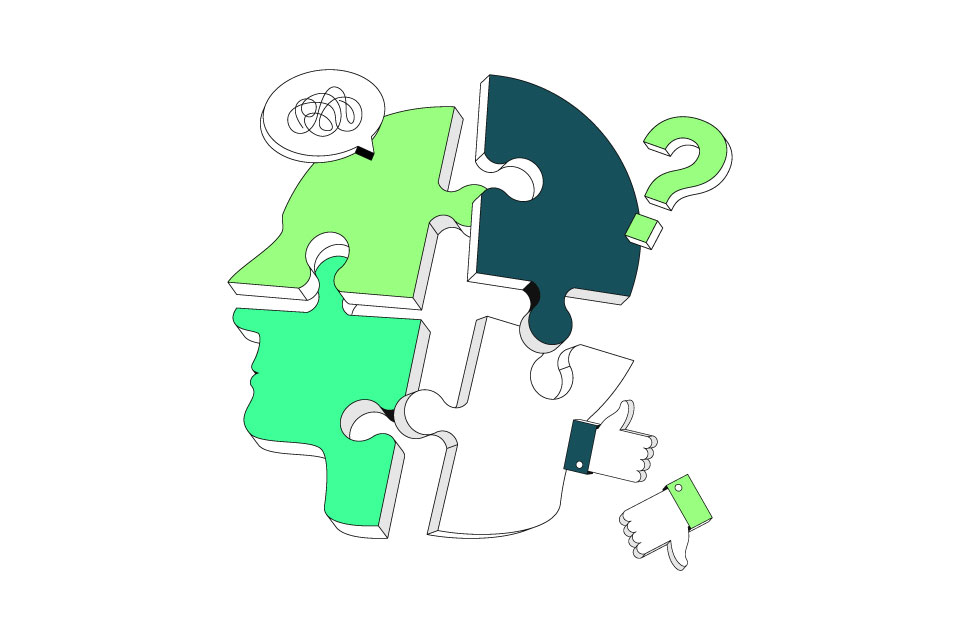

AI is fast evolving into an existential question for boardrooms.
Improving staff productivity and making better use of company resources are undoubtedly critical to future-proofing a business model. And to be clear, I sympathise with business leaders. They now face real pressure to make sure their organisations keep pace with rivals’ tech deployment, particularly as they manage rising costs elsewhere across their business.
But, if last week’s reports that an Anthropic researcher believes there’s a 10% chance AI ‘could kill all humans’ is anything to go by, thinking about the context and scope in which AI is deployed is no longer enough.
The urgent question boardrooms now face carries greater weight: what are AI’s implications for an organisation’s customers, hardworking staff, and what outcomes are in the long-term interests of business – and humanity?
We cannot afford to get this wrong. Because doing so, whether through an AI agent going rogue, a major data leak, or an attack on critical infrastructure, could have catastrophic ramifications that go far beyond a single business.
Thinking beyond productivity gains
For boardrooms and society, the risks should serve as a wake-up call. But in practice, this means boards must make sure the wider implications of the AI age are pushed far higher up the risk agenda.
As I said at the outset, AI is evolving rapidly, shaping an era increasingly defined by unprecedented change. Indeed, I can’t think of a parallel in which organisations have rushed to deploy a technology that even its leading architects don’t fully understand.
And that is why organisations must realise the benefits of AI while preserving the trust, security and experience of the staff they lead and the customers they serve. Balancing both may feel daunting, but the window of opportunity to act is closing. We must act now.
That means innovating at pace, whilst remaining guided by a clear set of principles which minimise the potential risks.
Good intentions are not enough: we need resilient cross-sector governance
At a time when societal trust remains fragile, organisations need to state their commitment to using AI responsibly. Governance should be part of how organisations seek to earn and maintain trust, and how they show that innovation is being pursued in the public interest. This is both a civic responsibility and a genuine opportunity to show leadership.
That is why we have brought together a cross-sector group of customer AI experts to develop a clear set of principles on how service-led organisations use AI. The standards and guidance, which we will publish in the coming months, will outline what good, ethical deployment of AI looks like, what guardrails should be considered, and how accountability should be built in from the start – starting with boardroom responsibility and an understanding of service.
Good AI deployment will protect the customer and genuinely enhance their experience, as well as making organisations more efficient and effective.
The decisions leaders take on AI today will shape our futures more than anything else. The future of their organisations, of work, and of all of us rests on making the right choices for the long term.
No one knows for certain what the right choices will be, but keeping the needs of citizens, customers, and employees at the forefront is ultimately the best guiding principle we have.

Related Posts